 Membership
 Donate
 Get Involved

Victoria’s forests deserve better. Join us in calling on the Victorian Government to:
|
Email Your MPs
This tool finds your local MPs and sends them a ready-to-go email calling on the Government to close the logging loopholes – tweak it or send it as is.
The government said logging had ended. So why is it still happening?
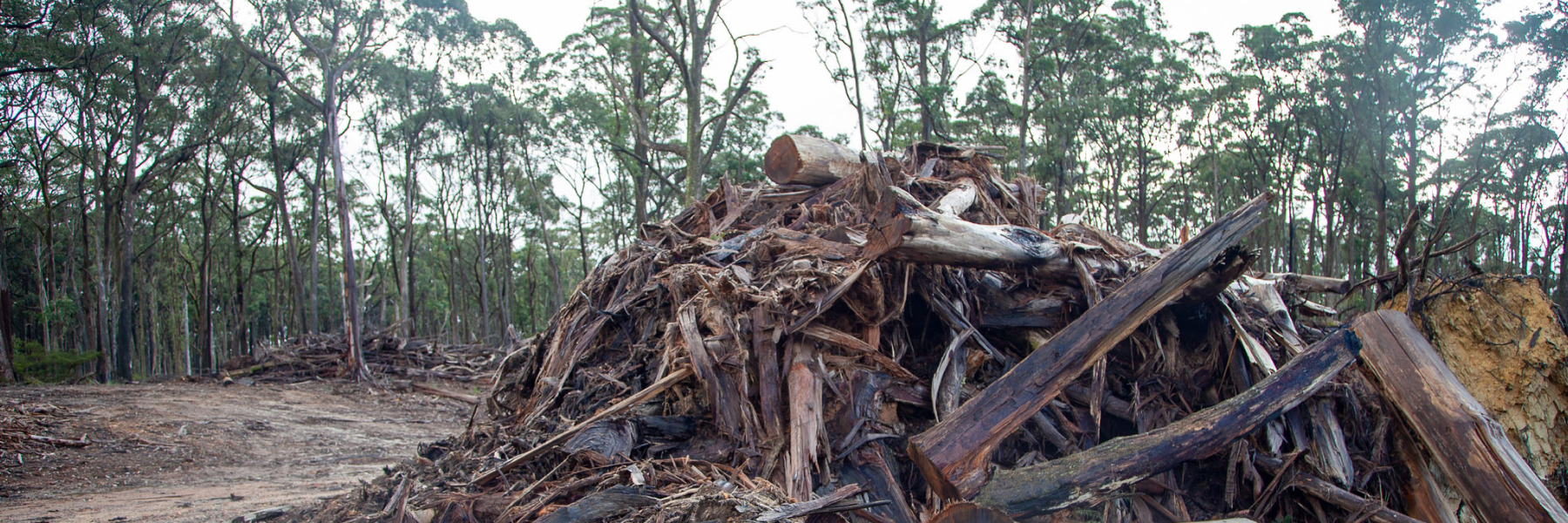
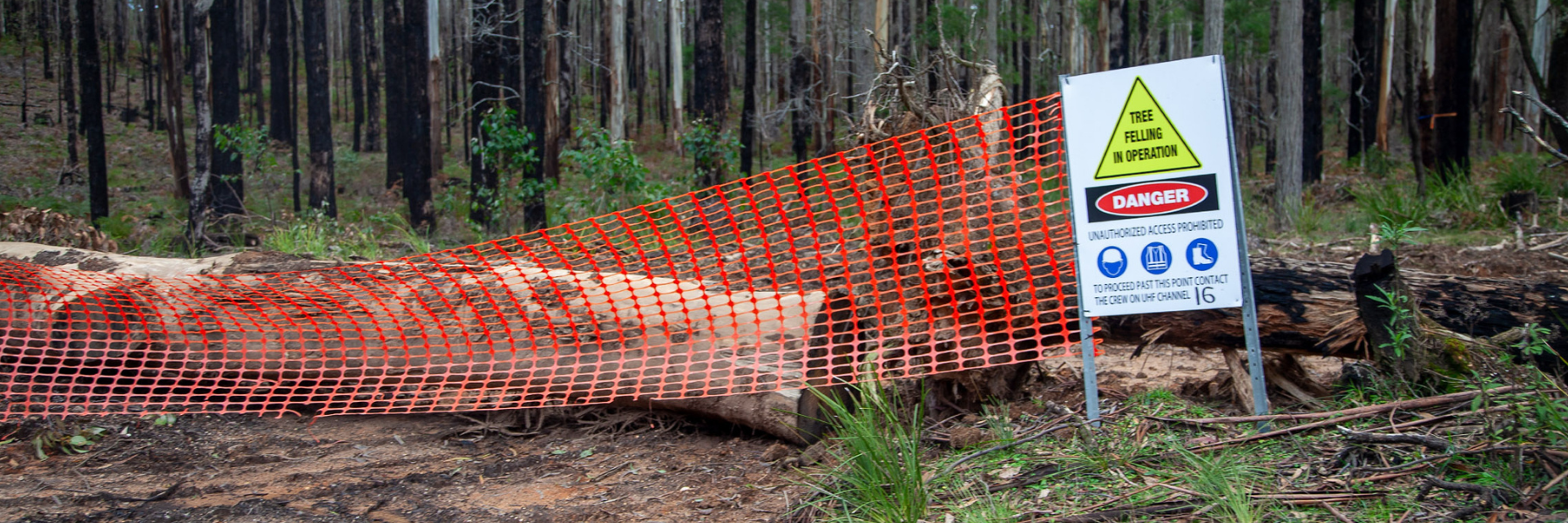
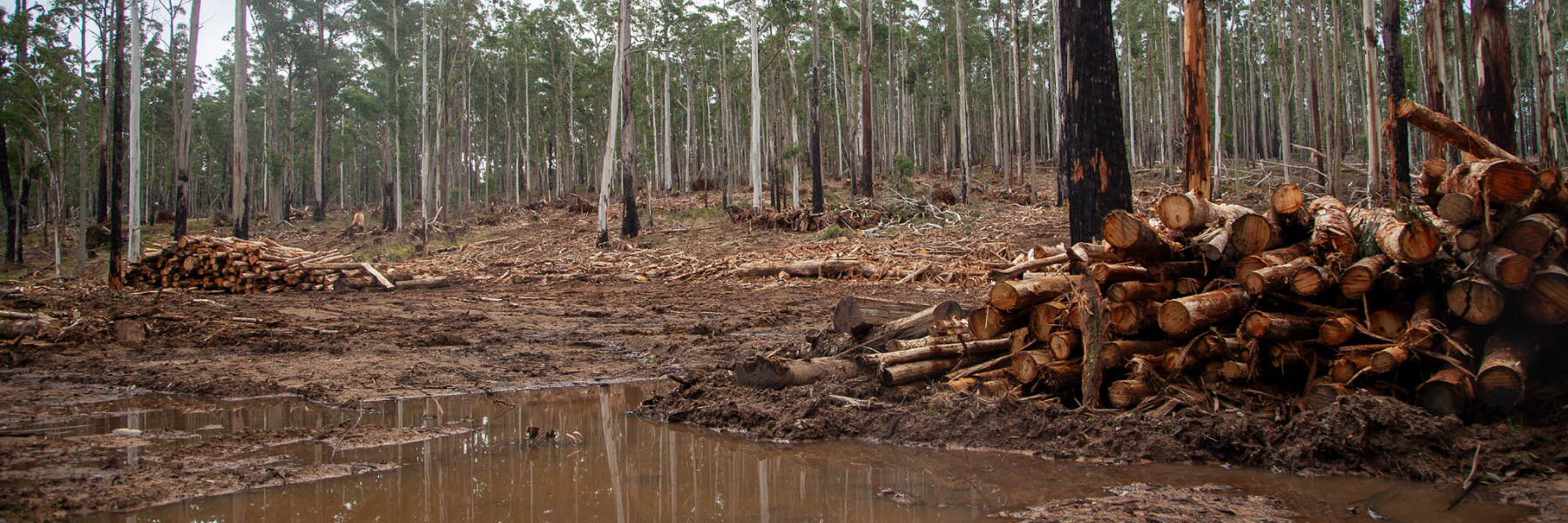
Victoria officially ended native forest logging on 1 January 2024. But trees are still being felled and timber removed from native forests under programs described as “bushfire prevention,” “fuel management,” “hazardous tree removal,” or “storm recovery.”
These vague and overlapping labels have created a confusing system that makes it difficult for the public to know what is happening in our forests and who is accountable.
The government changed the label. It did not end the destruction.
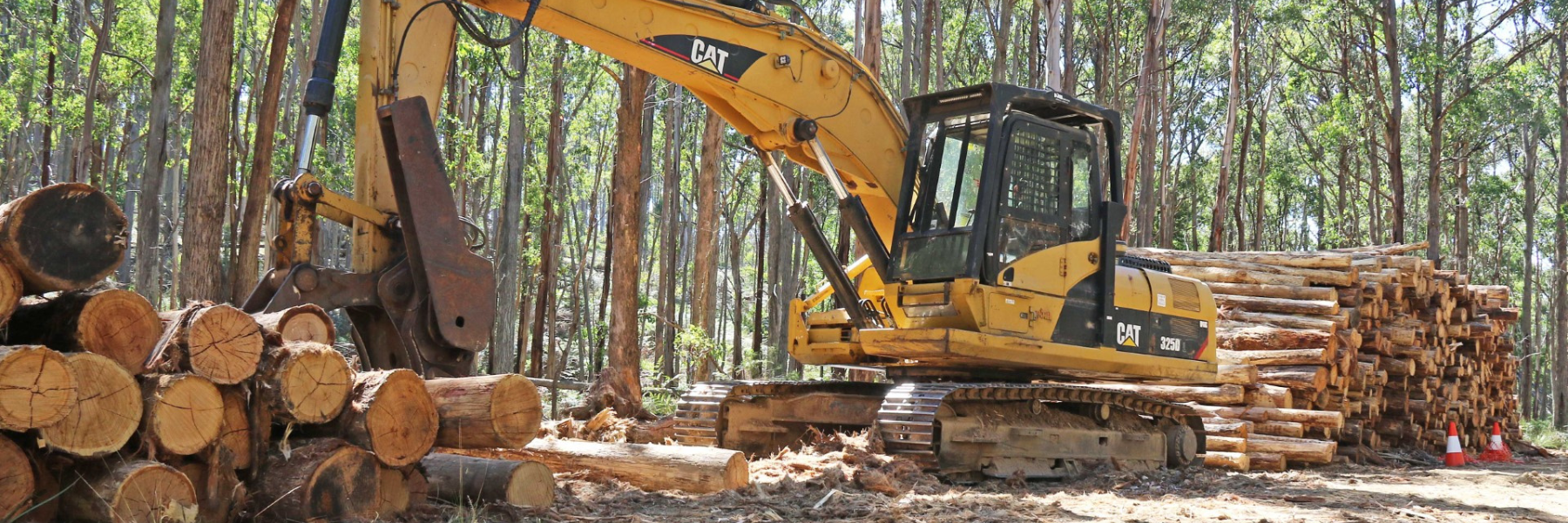
Some of this timber can still be sold to mills, firewood suppliers and other buyers.
Bushfire safety matters, but it must not be used as a loophole to avoid environmental scrutiny or destroy critical habitat.
The scale is significant. More than 50,000 cubic metres of timber has been removed from Wombat State Forest from 2021 to June this year – enough to cover the MCG playing field twice-over with wood more than one metre deep, roughly six times the annual harvest VicForests previously described as sustainable for the forest. Yet the public is not routinely told which trees are being removed, why, or what wildlife could be affected.
Wildlife are paying the price
Large, old and hollow-bearing trees provide vital habitat for threatened species including Greater Gliders and Leadbeater’s Possums.
More than 300 species depend on tree hollows, which can take hundreds of years to form.
Yet tree-felling can proceed without mandatory independent, on-ground threatened-species surveys.

Who is checking the government?
|
Ending native forest logging should mean exactly that.
The Victorian Government must close the loopholes, make these operations transparent and ensure our forests and the wildlife who depend on them are genuinely protected.
Tell the Victorian Government to close the logging loopholes and protect our forests and wildlife.


