 Membership
 Donate
 Get Involved

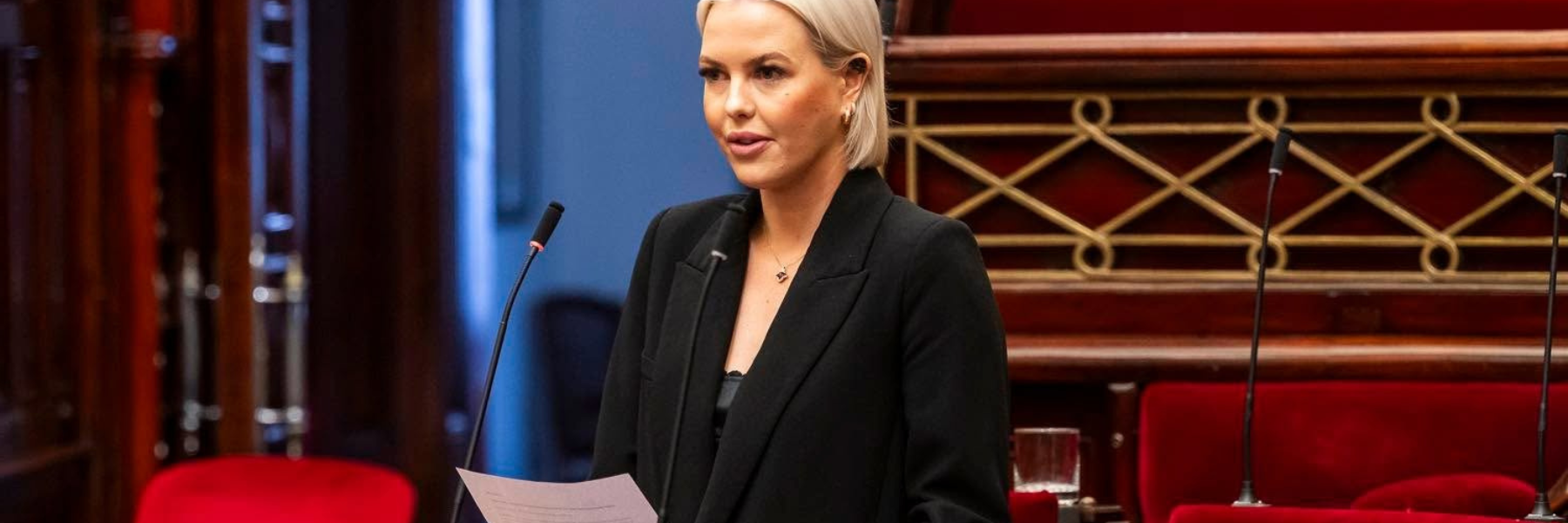
Victoria has abolished group voting tickets for the upper house. We've called for this for years – but the reform is incomplete, and it changes what this election means for us. Here's what happened, what we think, and what it means for animals.
For years, we've argued that Victoria's upper house voting system needed to change. Under Group Voting Tickets (GTVs), preferences followed a ticket lodged by each party ahead of the election, rather than choices voters made themselves on the day. We believe voters should have full, direct control of their own preferences, so we support moving away from that system.
The principle behind the reform that passed the Legislative Council makes sense, however scrapping GVTs on its own is only half a fix. The fairer, more lasting reform is a proportional statewide voting model, like New South Wales, South Australia and Western Australia already use, where seats reflect how people actually vote across the whole state.
The government has had eight years to pursue that model properly, including through a referendum, working with the crossbench on a system the whole Parliament could get behind. Instead, months out from polling day, it opted for the faster, easier fix. So for now, we have a partial reform, rushed through at the last minute following a deal struck between Labor, Liberals and the Greens, when the fuller solution was there to be done properly all along.
We called for this reform. We also said it wasn't enough on its own.
01
Voters in controlWe support handing full control of preferences to voters. Every Victorian should be able to decide, in their own words, where their vote goes. |
02
Finish the jobWe're still pushing for a proportional statewide model — the reform that actually fixes the system, not just part of it. |
03
Face the risk honestlyA rushed, partial fix this close to an election makes it harder for minor parties and the crossbench to survive. We're not pretending otherwise. |
This system is tougher for minor parties, including us.
Without the reforms Victoria still needs, this election is the toughest the Animal Justice Party has faced. But it isn't the end of us – it's a turning point. We've fought uphill battles before, and we can do it again, with you behind us.
Frequently Asked Questions (FAQs)
What was a group voting ticket (GVT)?
A GVT was a preference list that a party lodged with the Victorian Electoral Commission before the election. If you voted "1" above the line, the rest of your preferences followed that lodged list, in an order you couldn't see on your ballot paper.
Why were GVTs abolished?
Victoria was the last state in Australia still using them. Reform had been recommended for years on the basis that voters, not lodged party tickets, should decide where preferences go. Momentum for change grew further once it became clear the same system could just as easily work in favour of parties on the far right.
Does the Animal Justice Party support this change?
Yes, in principle. We've long argued voters should control their own preferences. Where we differ from the government is on how far the reform goes: we believe Victoria needs a full move to proportional statewide voting, not just the removal of GVTs.
What do I need to do differently when I vote this November?
If you vote above the line for the upper house, you'll need to number at least five boxes yourself, in the order you want. You can number as many as you like beyond five. Your vote will only follow the order you write down.
Why is this harder for the Animal Justice Party specifically?
Every party's result now depends entirely on how Victorians choose to vote and preference directly, with no lodged ticket in the background. For a minor party competing against the major parties' far bigger campaign budgets and name recognition, that raises the bar for holding a seat.
Does this mean minor parties and the crossbench are finished?
Not necessarily, but commentators and MPs across the crossbench have warned this reform, on its own, risks reducing the diversity of Victoria's upper house and shifting more power toward the major parties. A Parliament with a smaller crossbench is a Parliament with fewer voices pushing for animals, and less scrutiny on legislation generally. That's exactly why this election matters so much.
What's the difference between abolishing GVTs and moving to proportional representation?
Abolishing GVTs changes how your individual vote is counted; it stops parties from redirecting it without your say. Proportional representation would change how seats are allocated across the state, so that a party's share of seats more closely reflects its share of the statewide vote. Victoria would need a referendum to make that second change, which is why the government failed to organise it before the next election.
How can I help?
The two most useful things you can do right now are to donate to the campaign, and to sign up to volunteer, whether that's a few hours on a stall, handing out how-to-votes, or helping behind the scenes. Every bit of direct support matters more under this system than it ever has before.


